Decoding a Vehicle Identification Number (VIN)
Published By - Waqas Saleem
Categories - Vehicle Identification Number,Chassis Number
Published: November 06, 2024

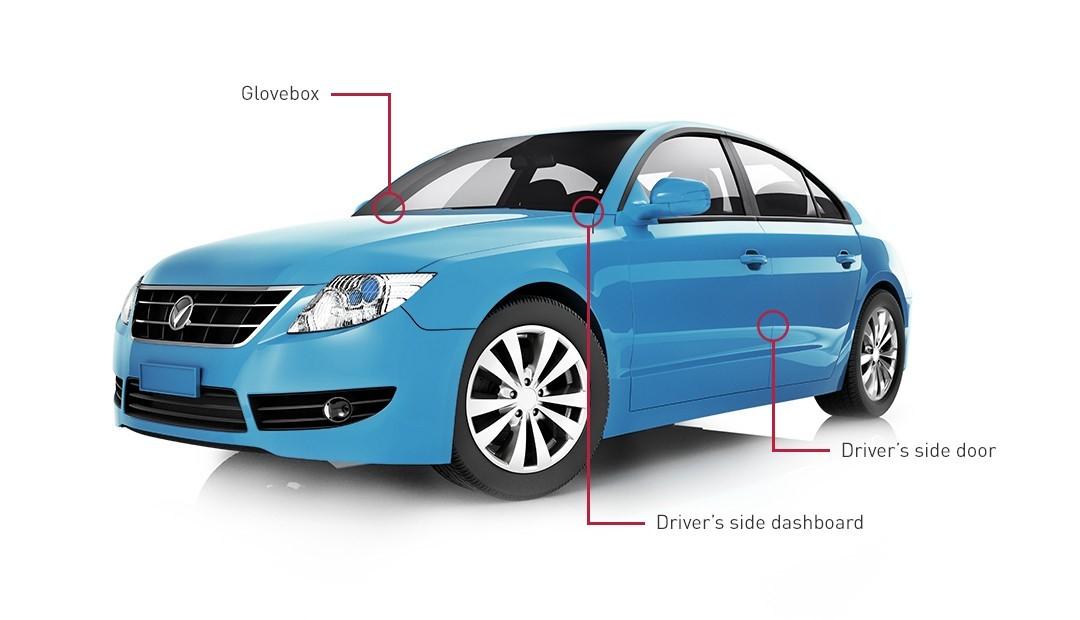
<b>Decoding a Vehicle Identification Number (VIN)</b>
A Vehicle Identification Number
(VIN) is like a vehicle’s fingerprint—each one is unique and contains a wealth
of information about the car, such as its origin, model, engine type, and more.
Whether you're buying a car, verifying its history, or just curious about its
specifications, knowing how to decode a VIN can provide critical insights.
Let’s walk through how to decode
a VIN, understand its history, and explore the key sections it comprises.
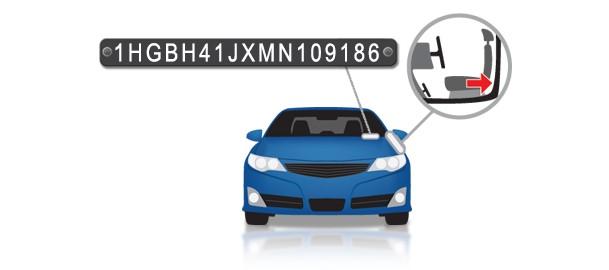
1. A
Brief History of the VIN
The Vehicle Identification Number
(VIN) system was created out of a need for standardized vehicle identification.
Prior to the 1950s, manufacturers each used their own numbering systems, making
it difficult for buyers, insurance companies, and regulators to track vehicles.
As car production soared, especially in the 1960s and 70s, the need for a
unified system became apparent.
In 1954, the United States
introduced the first set of guidelines for vehicle identification, but there
was no enforced format. It wasn’t until 1981 that the National Highway
Traffic Safety Administration (NHTSA) mandated a standardized 17-character
VIN for all vehicles sold in the United States. This move aligned various
manufacturers and made it easier to track vehicle details such as manufacturing
origin, specifications, and production numbers.
Today, VINs are used worldwide
and follow the same structure regardless of where the car is made or sold,
providing a universal system for vehicle identification. This standardization
is crucial for various activities, including:
·
Tracking
recalls and safety issues
·
Verifying
ownership and preventing theft
·
Assessing
vehicle history for
buying and selling
2. The
Structure of a VIN
VINs consist of 17 characters,
made up of letters and numbers, and are divided into three main parts:
1.
World
Manufacturer Identifier (WMI)
(Characters 1 to 3)
2.
Vehicle
Descriptor Section (VDS)
(Characters 4 to 9)
3.
Vehicle
Identifier Section (VIS)
(Characters 10 to 17)
Each part reveals specific
details about the vehicle, and together they create a complete profile.
3. The
World Manufacturer Identifier (WMI)
The first three characters of a
VIN tell you where the vehicle was made and by which manufacturer. Let’s break
this down:
·
1st Character
– Country of Origin:
This letter or number reveals where the car was manufactured. For example:
o 1, 4, 5 = United
States
o J = Japan
o K = South
Korea
o W =
Germany
o Y = Sweden
or Finland
·
2nd
Character – Manufacturer:
This character identifies the specific manufacturer. Some common ones are:
o B = BMW
o A = Audi
o G =
General Motors
o N = Nissan
Keep in mind that certain letters may be used by multiple manufacturers (e.g.,
"A" can also be used for Jaguar).
·
3rd
Character – Vehicle Type/Division:
Combined with the first two characters, this digit indicates the type of
vehicle or its manufacturing division. For instance, a passenger car might have
one code, while a truck or SUV has another.
4. The
Vehicle Descriptor Section (VDS)
Characters 4 to 9 provide
detailed information about the vehicle’s features. This includes the body
style, engine type, model series, and more.
·
4th to
8th Characters:
These are manufacturer-specific and provide detailed information about:
o The engine type (e.g., V6, electric, hybrid)
o The body style (e.g., sedan, SUV)
o Other important features such as the
transmission type.
·
9th
Character – Check Digit:
This digit is used to detect fraudulent VINs. It doesn’t convey information
about the car itself but ensures the VIN’s integrity. It’s calculated through a
mathematical formula and is a security feature that helps to prevent tampering.
5. The
Vehicle Identifier Section (VIS)
The final part of the VIN,
characters 10 to 17, contains crucial details about the car's production.
·
10th
Character – Model Year:
The letter or number in the 10th position indicates the model year. For
example:
o A = 1980
o Y = 2000
o 1 = 2001
The pattern alternates between letters and numbers, restarting with
"A" in 2010. Here are the most recent codes:
o P = 2023
o R = 2024
o S = 2025
Note that certain letters like I, O, Q, U, and Z
are skipped to avoid confusion with numbers.
·
11th
Character – Assembly Plant:
This character identifies the plant where the vehicle was assembled. Each
manufacturer uses specific plant codes, which can vary widely.
·
12th to
17th Characters – Serial Number:
These digits are the vehicle’s unique serial number, which distinguishes it
from other cars of the same make and model.
Example
of a VIN Breakdown:
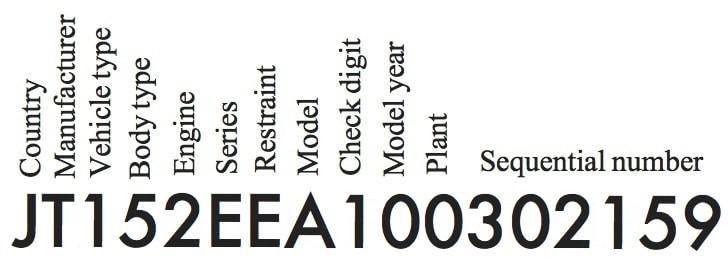
Let's decode the example VIN JT152EEA100302159
(from the image provided):
·
1st
Character (J): Japan (Country of origin)
·
2nd
Character (T): Toyota (Manufacturer)
·
3rd
Character (1): Passenger car (Vehicle type)
·
4th to
8th Characters (52EEA):
Manufacturer-specific details like engine type, model series, etc.
·
9th
Character (1): Check digit for validation
·
10th
Character (0): Model year 2010
·
11th
Character (0): Assembly plant code
·
12th to
17th Characters (302159): Serial
number, unique to this specific vehicle


